

The Pixel 9 and iPhone 16 both cost $799, ship with roughly the same core specs, and ask you to make exactly one decision first: which ecosystem do you want to live inside? Once you answer that, most other choices fall out automatically. But there’s more to this comparison than the usual Android vs iOS abstraction. The real differentiators are repair costs, computational photography philosophy, and how long each phone stays current.
Quick verdict:
- Pixel 9 is the best choice for content creators, long-term owners who prioritize repairability, and anyone who wants customization over hand-holding
- iPhone 16 is the best choice for enterprise users, families locked into Apple services, and buyers who value reliability over bleeding-edge AI features
At a glance
| Feature | Pixel 9 | iPhone 16 | Why it matters |
|---|---|---|---|
| Price (MSRP) | $799 | $799 | Same entry price; differences emerge in repairs and trade-in |
| Display | 6.3” OLED, 120Hz | 6.1” OLED, 60Hz | Pixel’s 120Hz makes scrolling noticeably smoother; iPhone still ships 60Hz at this tier |
| Primary camera | 50MP, f/1.68, OIS | 48MP, f/1.6, OIS | Pixel wins on zoom and post-processing; iPhone on low-light immediacy |
| Battery capacity | 5,050 mAh | 4,674 mAh | Pixel lasts longer between charges with moderate use |
| Repairability (iFixit) | 7/10 | 5/10 | Pixel easier to repair; parts more widely available to third-party shops |
| Software updates | 7 years OS + security | 6 years OS | Pixel supported through 2031; iPhone through 2030 for OS |
| Best for | Creators, customizers, long-term owners | Enterprise, Apple families, reliability-first buyers | |
| Biggest weakness | Weaker trade-in value, thermal management under sustained load | Repair costs, 60Hz display, ecosystem lock-in |
Specifications verified via Google Pixel and Apple official specs, GSMArena technical database, and iFixit repairability assessments.
Google Pixel 9 — best for creators and power users
The Pixel 9 is Google’s bet that computational photography beats physics. The 50MP primary camera isn’t the highest-resolution on the market, but what happens after you press the shutter is where it pulls ahead. Magic Eraser removes power lines, tourists, and clutter from shots—processed on-device through Tensor 4’s dedicated AI cores. Face Unblur fixes motion blur on kids and pets. Audio Magic Eraser strips wind noise from video. For creators posting to Instagram, YouTube, or a portfolio, these tools save hours of post-processing.
The AI implementation splits workload intelligently. Most Gemini features—photo editing, voice typing, real-time translation—run on-device without network latency. Cloud-dependent features like Magic Editor’s generative fill and Best Take’s face-swapping require data connection but leverage Google’s server-side models for more complex transformations. This hybrid approach means core camera AI works in airplane mode, while advanced editing needs Wi-Fi.
The 120Hz OLED display is smooth enough that dropping to 60Hz feels like a downgrade. At 6.3 inches, it’s slightly larger than the iPhone 16’s 6.1 inches—a meaningful difference if you’re reading or streaming video. Battery life carries you through extended periods between charges with moderate use (email, social media, photos, some video streaming). The larger capacity holds battery health better over multiple years.
Strengths:
- Computational photography tools (Magic Eraser, Face Unblur, Audio Magic Eraser) save post-processing time; most run on-device
- 7 years of OS updates means this phone stays current through 2031
- 120Hz display, larger battery, and better repairability (iFixit scores it 7/10) than iPhone 16
- File system access, sideloading, and customization options iPhone doesn’t allow
- Third-party repair shops can source parts and use standard tools; no proprietary repair ecosystem lock-in
Weaknesses:
- Lower trade-in value than iPhone; resale depreciation steepens after the first year
- Thermal management under sustained gaming or 4K video editing; performance scales back to protect components
- Weaker enterprise security ecosystem; IT departments still prefer iOS
- Fewer specialized enterprise apps than the App Store
Best for: Content creators who need AI editing baked into the camera. Long-term owners keeping phones beyond typical upgrade cycles. Power users wanting file access, sideloading, and customization. Anyone already in the Android/Google ecosystem who’d pay switching costs to move to iOS. Buyers who value repair accessibility over resale value.
iPhone 16 — best for reliability and ecosystem cohesion
The iPhone 16 argues that hardware-software integration beats raw specs. The A17 Pro chip outperforms Pixel’s Tensor 4 on sustained tasks—gaming, 4K video editing, anything that pushes the CPU past a few minutes. The 48MP camera with f/1.6 aperture captures better low-light photos straight from the sensor; Night mode on iPhone 16 remains the standard others chase.
Apple Intelligence features ship in stages. Base iOS 18 includes improved Siri voice recognition and Photos search, but features like Writing Tools, Priority Notifications, and summarization require iOS 18.1 or later. Unlike Pixel’s hybrid approach, most Apple Intelligence features process on-device through the Neural Engine—no cloud dependency, but also limited to what the A17 Pro can handle locally. This means better privacy guarantees but fewer generative AI capabilities than Google’s cloud-assisted features.
Apple ships OS updates faster than Google. iOS updates reach iPhone 16 within weeks of announcement; Pixel owners wait months for full Android releases. Monthly point releases mean bugs get patched faster—a real advantage for security-conscious buyers. The trade-off: iPhone 16 stops receiving OS updates in 2030, one year before Pixel 9.
If your family, partner, or work team all use iPhones, the FaceTime, iMessage, and AirDrop cohesion has genuine value. When group chats turn green and video calls require third-party apps, switching costs spike.
Strengths:
- A17 Pro chip beats Tensor 4 on sustained performance; best-in-class for mobile gaming
- Superior low-light photography without post-processing; faster shot-to-shot speed
- Faster OS updates (monthly vs. quarterly); bugs patched quicker
- Stronger enterprise security and MDM support; IT departments trust it more
- Higher trade-in value and slower resale depreciation
- Apple Intelligence runs entirely on-device for better privacy
Weaknesses:
- Repair costs are punitive through Apple; third-party repair remains restricted despite FTC right-to-repair guidance
- iFixit scores it 5/10 for repairability—parts availability limited, proprietary tools required
- 60Hz display at $799 feels dated when competitors ship 120Hz at lower price points
- No sideloading, limited file system access, walled-garden App Store policies
- Shorter OS update window (6 years vs. Pixel’s 7)
- Apple Intelligence features require iOS 18.1+ staged rollout; not all available at launch
Best for: Enterprise or security-first buyers whose IT requires iOS. Families locked into Apple’s ecosystem (FaceTime, iMessage, AirDrop). Casual users who prioritize reliability over cutting-edge features. Mobile gamers needing sustained CPU performance. Photographers who prefer optical quality over AI correction. Privacy-focused users who want on-device AI processing.
Side-by-side: Camera philosophy — AI vs optics

This is the core split. Pixel 9’s camera is built around what happens after you press the shutter. Magic Eraser removes objects with impressive accuracy—particularly useful for travel photography where power lines or crowds ruin composition. Face Unblur fixes motion blur on pets and kids. Audio Magic Eraser strips wind noise from video. The Tensor 4 chip dedicates silicon specifically to these AI tasks, processing most edits locally without cloud dependency.
iPhone 16 takes a different approach: bigger sensor, better optics, less AI post-processing. The f/1.6 aperture pulls in more light, so night shots emerge cleaner without computational processing. For texting, Stories, or sharing immediately—when people don’t want to wait for software—the iPhone is faster. But it can’t remove objects or fix blur after the fact.
Zoom strongly favors Pixel. The super-res zoom extends farther with usable quality; iPhone’s optical zoom caps lower, with digital zoom beyond that point looking smudged. For travel photography or concerts, Pixel wins decisively. For low-light events or food photography, iPhone wins.
The choice: Pixel excels for people who edit; iPhone excels for people who don’t.
Side-by-side: Repair costs and long-term ownership
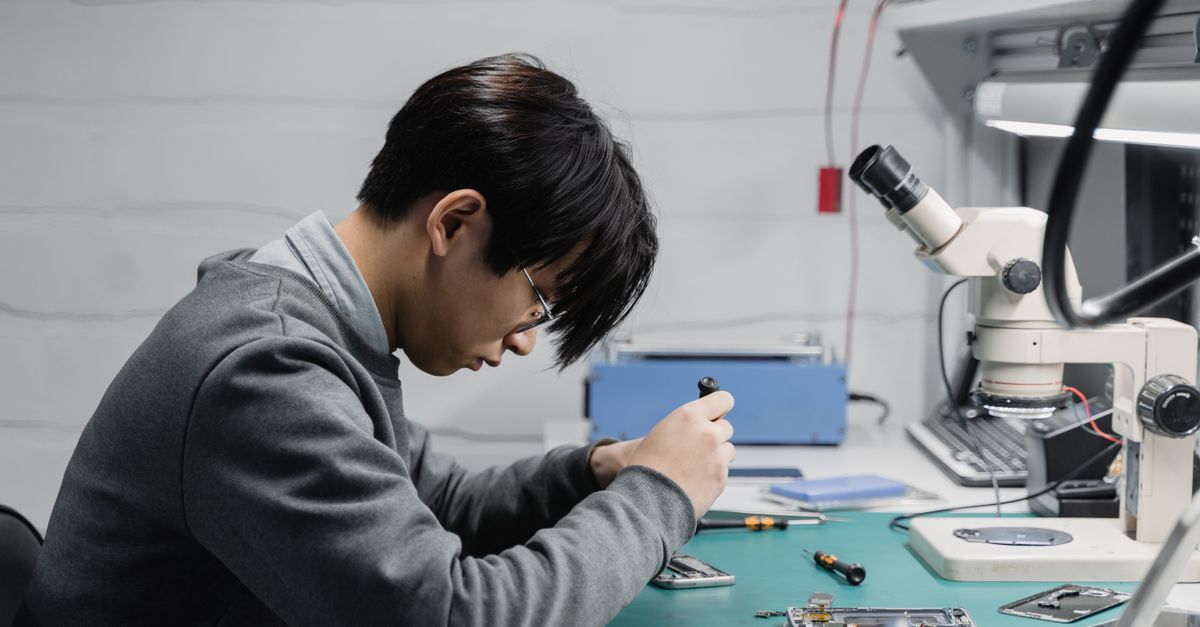
The most common friction point in long-term phone ownership isn’t specs—it’s repair costs. This is where iFixit’s repairability scores translate into real ownership cost.
Pixel 9 scores 7/10 for repairability. Parts are widely available to independent repair shops. You can use standard screwdrivers and tools. No proprietary repair program lock-in. Third-party technicians can source screens, batteries, and components without navigating manufacturer authorization. Repair turnaround time runs shorter because local shops stock parts.
iPhone 16 scores 5/10. Apple restricts parts availability to authorized service providers. The self-repair program requires proprietary tools. Unauthorized repairs—even successful ones—trigger warranty voids and software warnings. Independent shops can repair iPhones, but parts sourcing is harder and more expensive. Apple’s authorized repair network charges premium rates but offers faster turnaround through official channels.
This gap compounds over multi-year ownership. One screen replacement or battery service erases the iPhone’s trade-in advantage entirely. Two repairs flips the total cost of ownership decisively toward Pixel.
The FTC has issued guidance supporting right-to-repair, but manufacturer compliance remains voluntary. Apple maintains tighter repair ecosystem control; Google allows broader third-party access.
Extended warranty costs differ. Apple’s AppleCare+ covers accidental damage plus theft. Google’s Preferred Care covers accidental damage but not theft. If you’re clumsy or live in a high-theft area, AppleCare’s theft coverage justifies the premium. If you’re careful, Pixel’s simpler approach makes sense.
Who should buy which
Buy the Pixel 9 if:
- You create content for Instagram, YouTube, TikTok, or a portfolio and want AI editing baked into the camera
- You plan to keep this phone beyond typical upgrade cycles and value OS updates through 2031
- You’re already in the Android ecosystem (Gmail, Drive, Workspace) and switching would mean repurchasing apps or services
- You want file system access, sideloading, and customization
- Repair costs and parts availability matter more than trade-in value
- You prefer third-party repair options over manufacturer-controlled ecosystems
Buy the iPhone 16 if:
- Your employer requires iOS for MDM or enterprise security
- Your family or social circle relies on FaceTime, iMessage, or AirDrop
- You play mobile games or edit 4K video and need sustained CPU performance
- You prefer photos that look right immediately without processing
- You upgrade frequently and want higher trade-in value
- You prioritize reliability and fast OS updates
- You want AI features that run entirely on-device without cloud dependency
Pricing breakdown
Both phones start at $799 MSRP (Google Pixel official pricing, Apple official pricing). The gap emerges in year two: iPhone holds trade-in value better, but repair costs run higher. Over extended ownership, Pixel’s lower repair costs and better parts availability can offset the weaker resale value if you need screen or battery service.
For a deeper breakdown of options at lower price tiers, see our guide to .
FAQ
Which has better battery life, Pixel 9 or iPhone 16?
Pixel 9’s larger 5,050 mAh battery outlasts iPhone 16’s 4,674 mAh in real-world use. In practice, Pixel carries you through longer periods between charges with moderate use; iPhone requires more frequent charging. Battery capacity specs verified via GSMArena.
Is the Pixel 9 or iPhone 16 better for photography?
Depends on your workflow. Pixel 9 excels for people who edit photos afterward—Magic Eraser, Face Unblur, and extended zoom provide more post-processing control. Most editing happens on-device through Tensor 4’s AI cores. iPhone 16 excels for shoot-and-share workflows—superior low-light performance straight from the sensor, faster shot-to-shot speed, and more natural color science.
How long will each phone receive software updates?
Pixel 9 gets 7 years of OS updates plus security patches (through 2031). iPhone 16 gets 6 years of OS updates (through 2030). If you’re keeping your phone beyond typical upgrade cycles, both stay current, but Pixel gets an extra year of major OS features. Update policies verified via Google and Apple official support documentation.
Which is cheaper to repair, Pixel 9 or iPhone 16?
Pixel 9 is significantly cheaper and easier to repair. iFixit scores it 7/10 for repairability versus iPhone 16’s 5/10. Parts are widely available to third-party shops for Pixel; Apple restricts parts availability to authorized providers. You can use standard tools on Pixel; iPhone requires proprietary tools. The FTC supports broader right-to-repair access, but manufacturer compliance varies.
Affiliate disclosure: This article contains affiliate links to retailers. If you purchase through these links, we may earn a commission at no additional cost to you. This doesn’t influence our recommendations—we compare products based on specifications, repairability, and long-term value, not commission potential.
The Pixel 9 vs iPhone 16 decision comes down to ecosystem and priorities. If you’re already locked into one platform, switching is expensive. If you’re choosing fresh or upgrading from older Android, Pixel 9 offers better long-term value for creators and repair-conscious buyers. If you’re in Apple’s ecosystem or need enterprise security, iPhone 16 is the safer bet. Neither is a mistake—they’re built for different buyers.